Mozambique


Assessments
March 2026
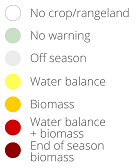
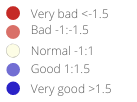
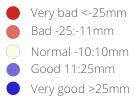
Harvesting of the main summer season cereal crops is expected to begin in late March in southern areas and gradually progress northward until the end of June. Heavy rainfall has affected the country since early March, with the most severe impact in Gaza—already heavily affected by flooding in January 2026—as well as Inhambane, Sofala, Zambézia, Niassa, and Tete provinces (ECHO Daily Flash of 24/03/2026, ECHO Daily Flash of 19/03/2026, IOM (Mozambique Floods - Flash Update #9, 22 March 2026)). The impact on the agricultural sector from flooding and cyclonic activity during the 2025/2026 season is substantial. According to the latest INGD data, the cumulative impact of the 2025/2026 rainy and cyclone season (01/10/2025–19/03/2026) on the agricultural sector includes 449,122 ha of agricultural area affected—of which 267,218 ha were destroyed—and 428,365 livestock affected. Cumulative rainfall from late January to late February was approximately 60%–75% below-average across central and southern regions. Consequently, a significant decline in biomass is being observed in the southern provinces of Maputo and Gaza, and the central province of Sofala; conversely, in Inhambane and Manica, crop conditions are affected to a lesser extent. According to OCHA, humanitarian operations in Cabo Delgado and Nampula remained highly fragile in February, as aid delivery was severely constrained by ongoing violence, IED risks, cholera-related misinformation, and logistical challenges caused by heavy rains. As of March 20, pastoral biomass conditions remain at average to slightly below-average levels.
Hotspots Time Series
Assessment_graph
Country Summary
Statistics
Date
Agricultural cover
Number of administrative units classified as Warning (%)
Warnings and indicator graphs
Date
Cover
Date
Cover
WI_graph1
Date
Cover
WI_graph2
Date
Cover
Indicator
WI_graph3
Indicator temporal profile (ASAP units level 1)
Year
Cover
Indicator
Area
ASAP1 Units
Indicator maps
Main indicators at dekad
Last 6 dekads for indicator
Date
Indicator
Date
Indicator

Date
Indicator
Date
Indicator
Date
Indicator

Date
Indicator
Ancillary Information
Overview maps
Phenology
Layer
Season progress
Dekad
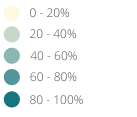
Agricultural area
Cover
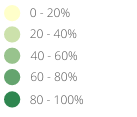
Warning frequency map
Cover
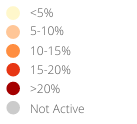
ASAP units
Crop calendar and Production
Selection of FAO crop calendars matching with ASAP phenology
CCP_graph1
Agriculture statistics: ten crops with largest area
CCP_graph2
Agriculture statistics: ten crops with largest production
CCP_graph3
Share of national cereal production by subnational units
CCP_graph4
For additional information related to agriculture and drougth monitoring visit also: